
First Day of Preschool: What to Expect and How to Help Your Child Thrive
Starting preschool is one of the most meaningful moments in your child’s early years. It is a new environment filled with new experiences, new friends, and a daily routine that looks very different from home. Tears are normal. So is excitement. Your child may run straight into the classroom or cling to your leg at drop-off, and both reactions are completely expected.
There are practical steps you can take to set your early learner up for a positive experience. This guide walks you through what the first day of preschool looks like, what children do all day, and how you can help before, during, and after drop-off.
What to Expect on the First Day of Preschool
The morning of the first day will feel different from a typical school day at home. Preschool classrooms are designed to be welcoming environments, but the newness alone can feel like a lot for a young child stepping into a group setting for the first time.
Here is what a typical first day looks like:
- Name tags and greetings: Your child’s preschool teacher will greet families at the door. Name tags are common during the first week so teachers can learn each child quickly and help new students feel recognized right away.
- Morning warm-up activities: Children are usually guided into structured play or simple fun activities like puzzles, drawing, or art projects to ease into the classroom before the full day begins.
- Circle time: Most programs begin the school day with a group gathering where the class meets together, sings songs, and gets introduced to the daily routine and classroom expectations.
- Learning through play: The rest of the morning blends teacher-led lessons with child-directed activities that build social skills, motor skills, and fine motor skills through hands-on experiences.
- Snack and outdoor time: Short breaks are built into the day to give children time to recharge between activities and connect with classmates in a more relaxed setting.
- Pickup and reunion: At the end of the day, children often show parents something they made, like an art project. This is a simple way to open up conversation about how the day went.
The structure varies by program, but most preschool days run between three and six hours. Ask your early childhood educator for a copy of the lesson plan or daily schedule ahead of time so the first day holds no surprises.
How to Prepare Your Child Before the First Day
A little preparation goes a long way. Children feel more confident when the new environment feels at least slightly familiar before they ever step inside for the first time.
Visit the School Beforehand
If your program offers a tour or open house, take it. Walk through the classroom together, meet the preschool teacher, and let your child explore the space. Some schools include a scavenger hunt or icebreaker activity during orientation to help children warm up before the school year officially begins.
Build a School Routine at Home
Start practicing the morning routine about a week before school begins. Wake your child at the same time each day, get dressed, eat breakfast, and talk about what the school day will look like. Predictability helps early learners feel safe when new things are on the horizon.
Read Books About Starting School
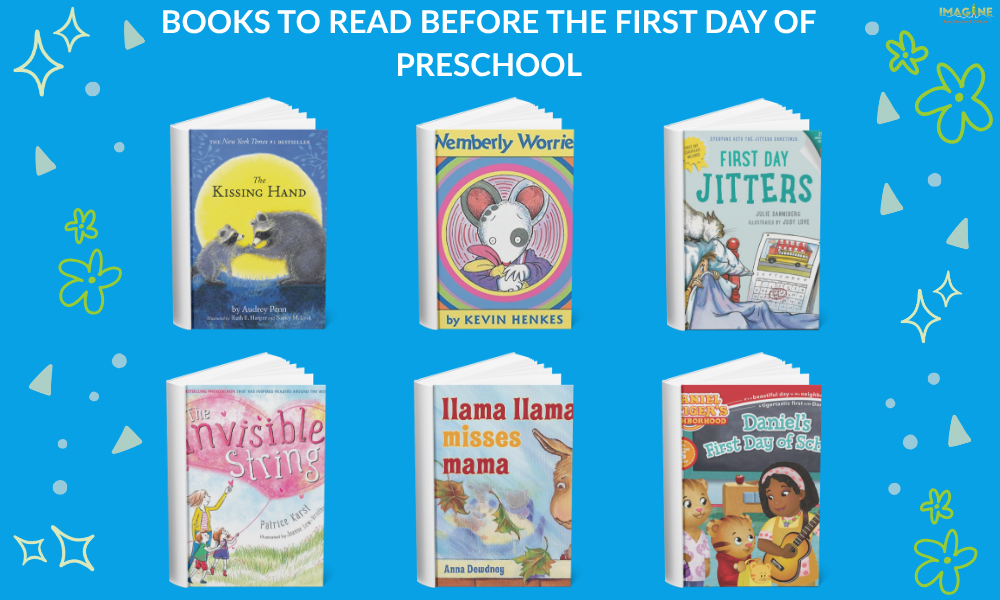
Books like The Kissing Hand by Audrey Penn are a popular way to help young children process the idea of leaving home for school. Reading together opens the door for conversation and helps make the new experience feel less unknown. Ask your child what they are looking forward to or what makes them nervous.
Pack a Comfort Item
Many programs allow children to bring a small stuffed animal or comfort item during the first week. Something familiar from home gives a child who is having a hard time something to hold onto between activities. Always check with your child’s school about their policy before packing one.
Managing Separation Anxiety and Tears
Separation anxiety is one of the most common concerns parents have before the first day of preschool. It is completely normal, and it often affects parents just as much as children. The good news is that most children adjust within a few school days.
- Keep goodbyes short: A long farewell can increase anxiety rather than ease it. Give your child a big hug, say goodbye with confidence, and leave. Lingering sends the message that something is uncertain, which makes it harder for your child to move on.
- Create a goodbye ritual: A special handshake or phrase you say together gives your child a predictable moment to hold onto each morning. Routines like this become an anchor during drop-off.
- Arrive with extra time: Rushing through drop-off increases stress for everyone. Building extra time into your morning keeps the transition calm and gives your child a moment to get settled before you leave.
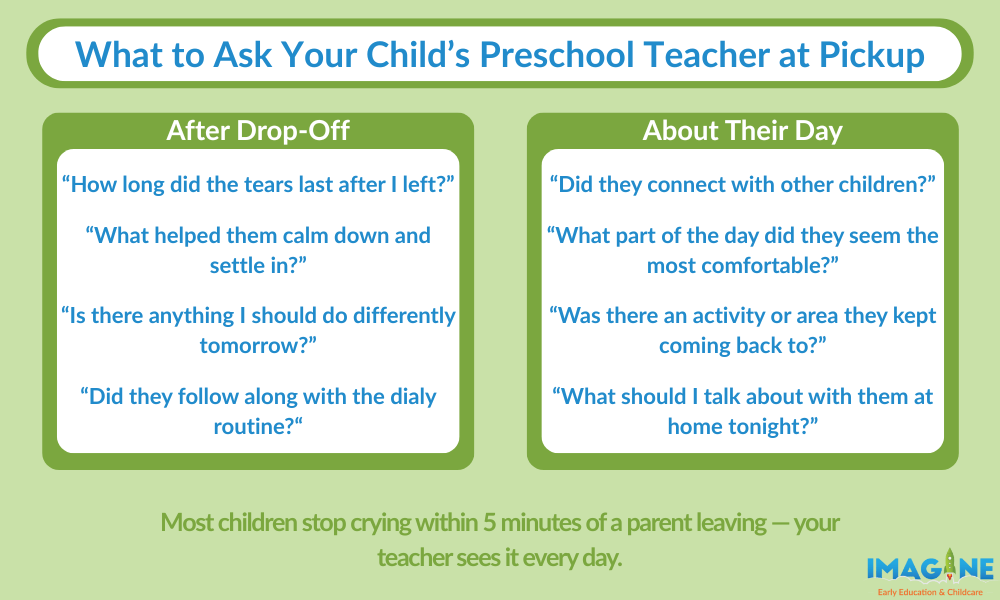
- Trust your early childhood educator: Preschool teachers are trained to help children through this transition. Most children stop crying within a few minutes of a parent leaving and quickly join activities with classmates.
If separation anxiety continues past the first week, talk to the preschool teacher. They can share what they observe in the classroom and suggest strategies that have helped other families through a hard time.
What Your Child Will Learn in the Classroom
Preschool is far more than play. It is where children develop the foundational skills that carry them into kindergarten and beyond.
Social and Emotional Growth
Your child will learn how to share, take turns, and work through small conflicts with new friends. These social skills are among the most meaningful outcomes of the early years in school. Children also begin developing empathy and self-regulation during this time.
Fine Motor and Physical Development
Art projects, building blocks, sensory play, and outdoor time all contribute to motor skills development. Children practice fine motor skills through drawing, cutting, and manipulating small objects, which directly builds hand strength and coordination needed for writing once they reach kindergarten.
Language and Early Literacy
Circle time, storytime, and daily conversations with teachers build vocabulary and listening skills. Children begin recognizing letters, learning rhymes, and developing the listening habits that support reading readiness in the school years ahead.
Independence and Confidence
Children learn to hang up their own backpacks, manage their belongings, and follow classroom expectations on their own. These new experiences build genuine confidence and prepare early learners for more structured school days ahead.
Imagine Early Education & Childcare: Your Partner in Your Child’s First Preschool Experience

At Imagine Early Education & Childcare, the first day of preschool is designed to be a positive experience for children and families alike. Their welcoming classrooms, warm educators, and thoughtful curriculum help children feel safe as they step into this important chapter of their child’s life.
Imagine serves children from 6 weeks through age 12, giving families a consistent partner throughout the early childhood years. Milestone updates are shared with families through the Kindertales app, keeping parents connected to their child’s progress throughout the school year.
If your child is starting preschool soon, schedule a tour at Imagine Early Education & Childcare to meet the team, see the classroom, and get your questions answered. A great first day of school starts with knowing your child is in caring, capable hands.

Leave a Reply
Want to join the discussion?Feel free to contribute!