
When Should My Child Start Preschool? Age Guidelines and Readiness Signs for Parents
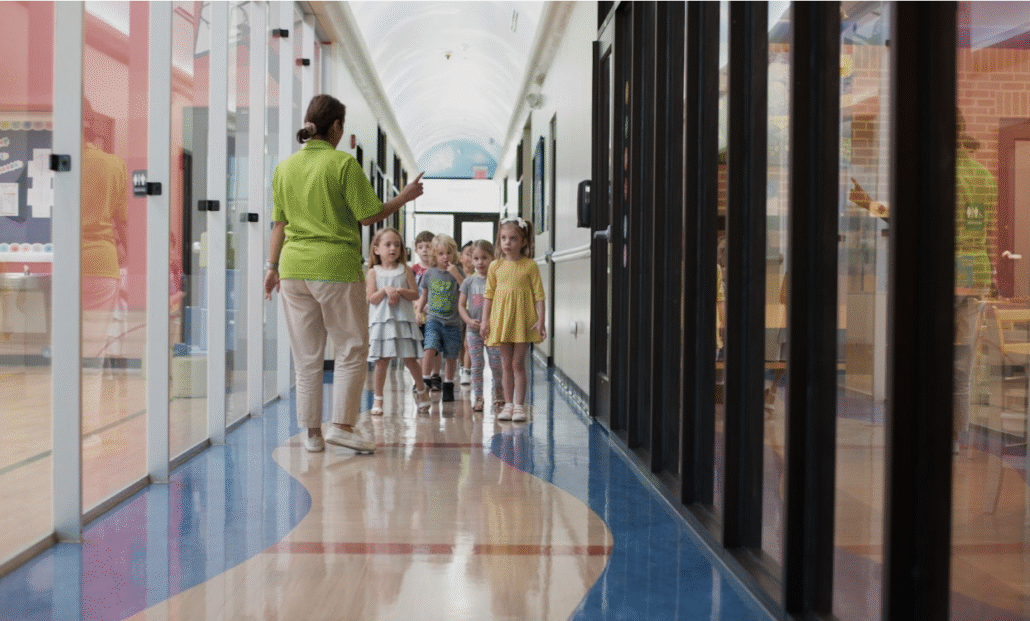
The Short Answer: Most children start preschool between ages 3 and 4, though readiness varies by child. While your child’s age provides a starting point, developmental readiness and your family’s needs matter just as much when deciding the right time to begin early childhood education.
Deciding when your kids go to preschool is one of the first major educational choices you make as a parent. The transition from home to a preschool classroom marks a significant milestone in your young child’s life. This guide walks you through age guidelines, readiness signs, program options, and practical steps to help you make the best decision for your family.
Understanding Preschool Age Guidelines
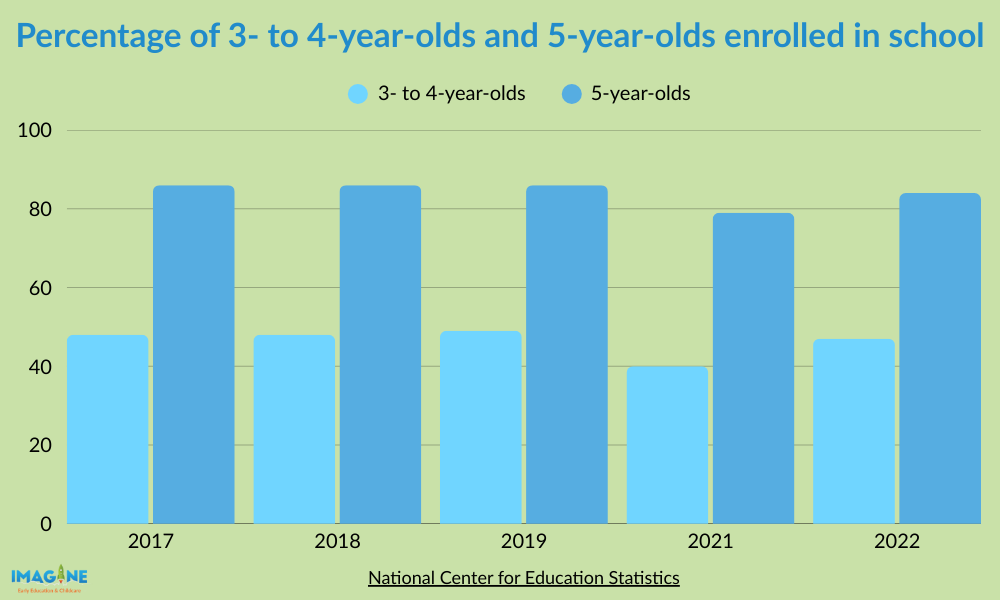
In the United States, most preschool programs accept children between ages 2.5 and 5. However, the typical starting age falls between 3 and 4 years old. Each state and school district may have different eligibility criteria, so checking local requirements is an important first step.
Age Breakdown by Program Type
- Two-year-old programs: Some child care centers and preschools offer toddler classrooms for children ages 2 to 3, focusing on play-based learning and socialization.
- Three-year-old preschool: Many families choose to enroll at age 3, giving children two full years of early childhood education before kindergarten.
- Four-year-old Pre-K: This is the most common entry point, often called “Pre-K” or “VPK,” designed to prepare children for full-day kindergarten the following school year.
Considering the School Year Calendar
Most preschool programs follow the traditional school year calendar, starting in August or September. Some programs require children to reach the age requirement by a specific cutoff date, often September 1st. If your child’s birthday falls close to this date, you may need to decide whether to enroll them as one of the younger or older students in their class.
This decision can affect your child’s kindergarten year timing and their overall academic trajectory through elementary school, high school, and beyond.
Signs Your Child Is Ready for Preschool
Your child’s age is just one factor. Developmental readiness plays an equally important role in determining when formal schooling should begin. Here are the signs that indicate school readiness:
Social and Emotional Readiness
- Comfort with separation: Your child can spend time away from you or a family member without extreme distress. Some separation anxiety is normal, but they should be able to calm down within a reasonable time.
- Interest in other children: They show curiosity about playing with peers and can engage in simple group activities.
- Basic social skills: They understand concepts like sharing, taking turns, and following simple directions in a group setting.
Communication and Independence
- Language skills: Your child can communicate basic needs and understand simple instructions. They don’t need perfect speech, but early childhood educators should be able to understand them.
- Self-help abilities: They can handle basic tasks like using the bathroom, washing hands, and eating independently.
- Attention span: They can focus on an activity for 5 to 10 minutes, which supports learning in a preschool setting.
When to Wait
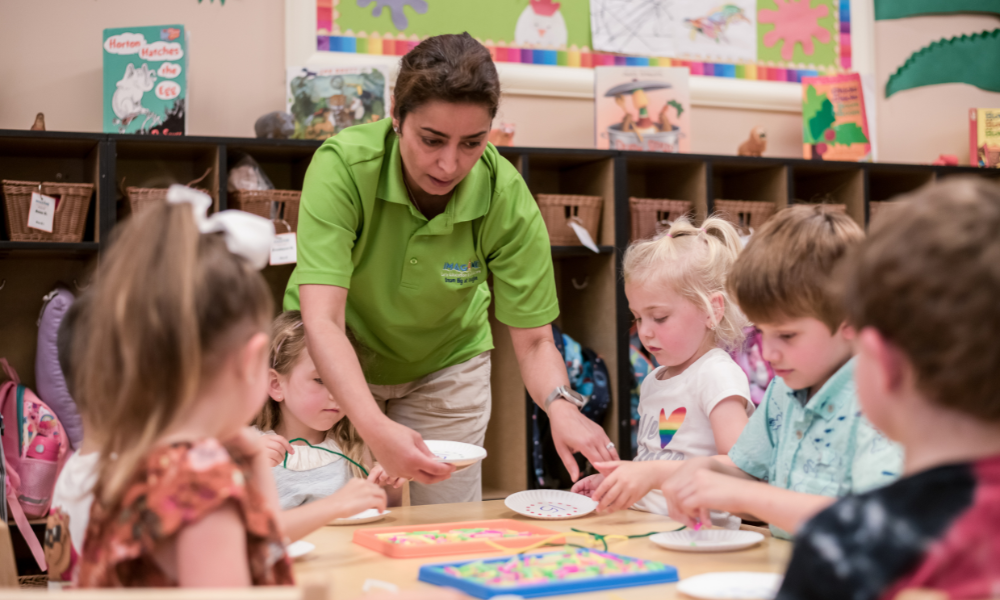
Some children benefit from an extra year at home or in a smaller child care setting. Consider waiting if your child shows significant distress at separation, has developmental delays being addressed through special education services, or simply seems happier with more one-on-one attention. There’s no shame in taking a deep breath and giving your child more time.
Types of Preschool Programs Available
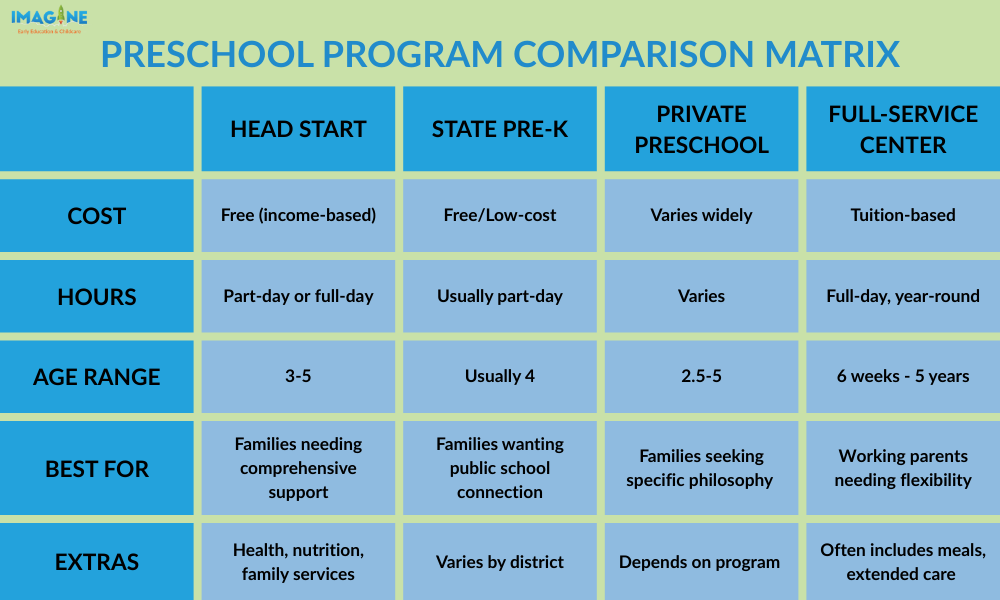
Understanding your options helps you find the right fit for your family’s needs and budget. The early learning landscape offers several pathways:
Public and Government-Funded Options
- Head Start programs: These federally funded programs serve low-income families and provide free preschool along with health, nutrition, and family support services. Head Start has specific income requirements and also serves children in foster care.
- State Pre-K: Many states offer free preschool programs through the public school system. Availability varies by school district, and some programs use a lottery system for enrollment.
- Charter school preschools: Some charter schools include preschool programs with unique educational approaches.
Private Preschool Options
- Traditional preschools: These programs focus on kindergarten readiness through structured learning activities and play.
- Play-based programs: Child-directed learning emphasizes exploration and social development over academics.
- Faith-based programs: Religious organizations often offer preschool programs incorporating spiritual values.
- Full-service early education centers: These combine child care with structured preschool curriculum, offering flexibility for working families.
- Montessori schools: These programs emphasize self-directed learning, hands-on activities, and a child-centered approach, fostering independence and critical thinking skills.
Choosing a High-Quality Preschool Program
Regardless of the type, look for programs with qualified early childhood educators, low student-to-teacher ratios, age-appropriate curriculum, and a safe, nurturing environment. A high-quality preschool program prepares children for success in first grade and beyond.
Preparing Your Child for the Preschool Experience
Once you’ve chosen a program, preparation helps ease the transition for both you and your child.
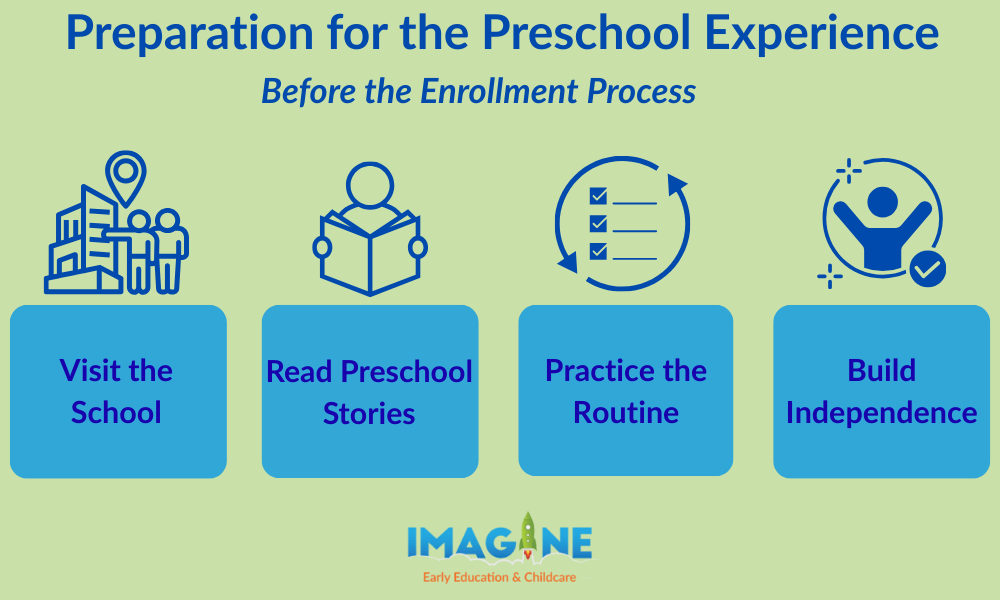
Before the Enrollment Process
- Visit the school: Tour the preschool classroom with your child so they can see where they’ll be learning and meet their teachers.
- Read books about preschool: Stories about starting school help children understand what to expect and process their feelings.
- Practice the routine: Start adjusting sleep schedules and morning routines a few weeks before school begins.
- Build independence: Encourage self-help skills like dressing, using the bathroom, and cleaning up toys.
Managing the First Days
Expect some adjustment time. Most early childhood education experts suggest that children need two to four weeks to fully settle into a new preschool setting. Keep goodbyes brief and positive. Reassure your child that you’ll return, and follow through on that promise consistently.
If your child has special needs, work with the program to develop appropriate supports. Many preschools collaborate with special education services to create individualized learning plans.
Imagine Early Education & Childcare: Supporting Your Family’s Preschool Journey
At Imagine Early Education & Childcare, we understand that deciding when to start preschool involves both practical considerations and parental intuition. Our programs serve children from 6 weeks through age 12, allowing families to find the right starting point for their child’s development.
The Imagine Child Curriculum blends teacher-led instruction with play-based learning, scaffolding each child’s cognitive, physical, emotional, and social development based on their individual level. We assess progress using developmental milestones aligned with kindergarten readiness standards, keeping families informed through our Kindertales app and parent-teacher conferences while our STEAM-inspired curriculum and extracurricular classes create an environment where young learners thrive.
Ready to explore whether preschool is right for your child? Schedule a tour at your nearest Imagine location to see our classrooms, meet our educators, and discuss your family’s needs.

