Best Books for Kindergarten Readers: Fun Stories That Build Confidence and a Love of Reading
Watching your child pick up a book and read their first words is one of parenting’s most rewarding moments. At this age, choosing the right book can spark a lifelong love of reading or create frustration that turns kids away from stories. The good news? Finding books that match your kindergartener’s reading level is easier than you might think. This guide covers everything from selecting age-appropriate titles to using library resources that make building a home library affordable and fun.
Why Early Reading Matters for Brain Development
Reading with your young child does more than teach letters and sounds. During the kindergarten years, a child’s brain is forming connections at an incredible rate. Exposure to books during this window strengthens pathways related to language skills, memory, and emotional regulation.
The Science Behind Story Time
When children hear stories read aloud, multiple brain regions activate simultaneously. They process language, visualize images, predict outcomes, and connect emotions to characters. This mental workout builds the foundation for school success in ways that extend far beyond reading class.
Research shows that children who engage with books from an early age enter formal education with larger vocabularies and stronger comprehension abilities. These early literacy skills predict academic achievement through elementary school and beyond.
Building Confidence Through Books
For kindergarteners, reading success breeds more reading. When a young reader finishes an entire book independently, they experience accomplishment that motivates them to try another. This positive cycle depends on finding titles at the right difficulty level. Look for books with these features:
- Predictable patterns allow children to anticipate words before reading them, building confidence with each correct guess.
- Repetitive phrases give practice with high-frequency words that appear across many texts.
- Simple sentences let new readers focus on decoding without losing the story’s meaning.
- Rich illustrations provide context clues that support comprehension when words are unfamiliar.
Selecting Books That Match Your Child’s Reading Level
Not all kindergarten books require the same skill level. Some five-year-olds are just learning letter sounds while others are reading simple chapter books. Understanding where your child falls on this spectrum helps you choose titles that challenge without overwhelming.
Board Books vs. Picture Books vs. Early Readers
Board books feature thick pages and minimal text. They work well for younger kindergarteners still developing fine motor skills and attention spans. Picture books offer longer stories with detailed illustrations. These are perfect for read-aloud sessions and independent “reading” through pictures. Early readers use controlled vocabulary and leveled text specifically designed for children learning to decode words. These work best for children ready to read independently and build fluency with simple sentences.
The Five-Finger Test
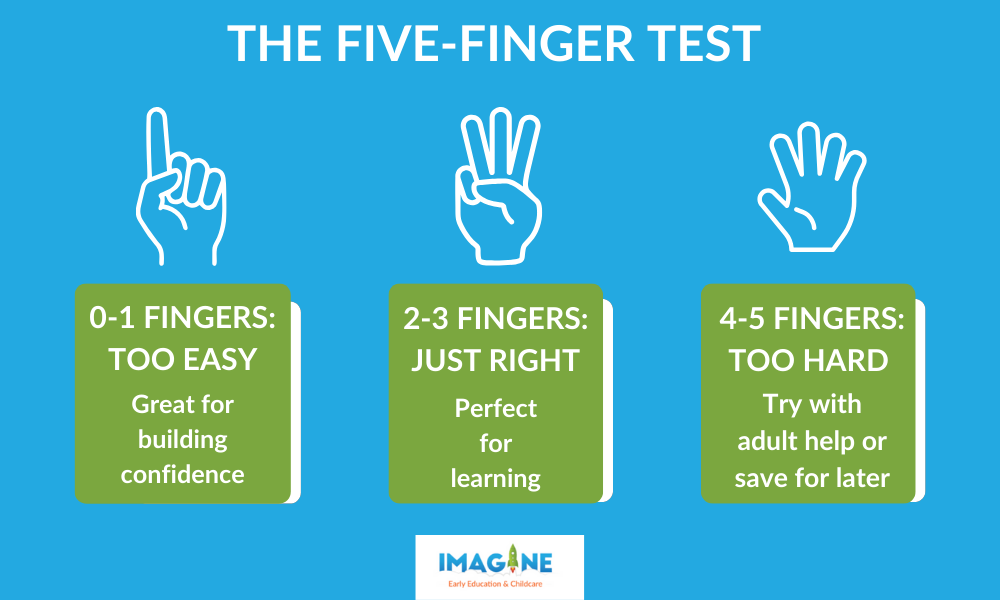
A simple way to gauge book difficulty: have your child read one page while holding up a finger for each unknown word. Zero to one finger means the book is easy. Two to three fingers indicate a good teaching level. Four or more suggests the book may cause frustration.
Sight Words and Kindergarten Readers
Sight words are common words that readers recognize instantly without sounding out. Words like “the,” “and,” “is,” and “said” appear so frequently that automatic recognition speeds up reading fluency. Many kindergarten books deliberately feature these high-frequency words to build this automatic recognition.
Look for books that incorporate sight words naturally into engaging stories. Memorizing word lists in isolation is less effective than encountering these words repeatedly in meaningful contexts.
Using Your Local Library to Build Reading Skills
Your local library offers resources that transform the reading journey from expensive endeavor to accessible adventure. Beyond free book access, many libraries provide programs specifically designed to motivate young readers.
Getting Started with a Library Card
A first library card marks a milestone in a child’s reading journey. Many libraries issue cards to children as young as kindergarten age, giving them ownership over their book selections. Library staff can help your child navigate the children’s section and recommend titles based on interests and reading level.
Summer Reading Programs and Reading Challenges
Most libraries offer a free program during summer months that prevents the “summer slide” in reading skills. These reading challenges typically include:
- Reading logs where children track books completed using a paper log or digital tracker.
- Book milestones that celebrate progress at set intervals.
- Prize incentives ranging from stickers to free book rewards.
- Certificate of completion recognizing achievement at program end.
Digital Tracking with Beanstack
Many libraries use Beanstack to manage reading programs. The Beanstack tracker lets families log reading minutes, earn digital badges, and discover book recommendations. Some libraries also accept a paper log for families who prefer offline tracking.
Top Book Categories for Kindergarten Success
Different types of books serve different purposes in your child’s reading development. A well-rounded home library includes variety that supports both skill-building and pure enjoyment.
Interactive and Lift-the-Flap Books
Books with interactive elements keep wiggly kindergarteners engaged. Lifting flaps, touching textures, and finding hidden pictures transform reading from passive activity to hands-on exploration. These formats work especially well for children who resist sitting still for story time.
Series Books That Build Reading Stamina
When a young child falls in love with a character, they want more stories about that friend. Series books capitalize on this attachment while building reading stamina. Familiar characters reduce the cognitive load of starting new stories, letting children focus energy on decoding and comprehension.
Nonfiction for Curious Minds
Many kindergarteners prefer facts over fiction. Books about dinosaurs, trucks, animals, or space tap into natural curiosity while building vocabulary. Nonfiction for young readers features photographs, simple labels, and accessible explanations.
Wordless Picture Books
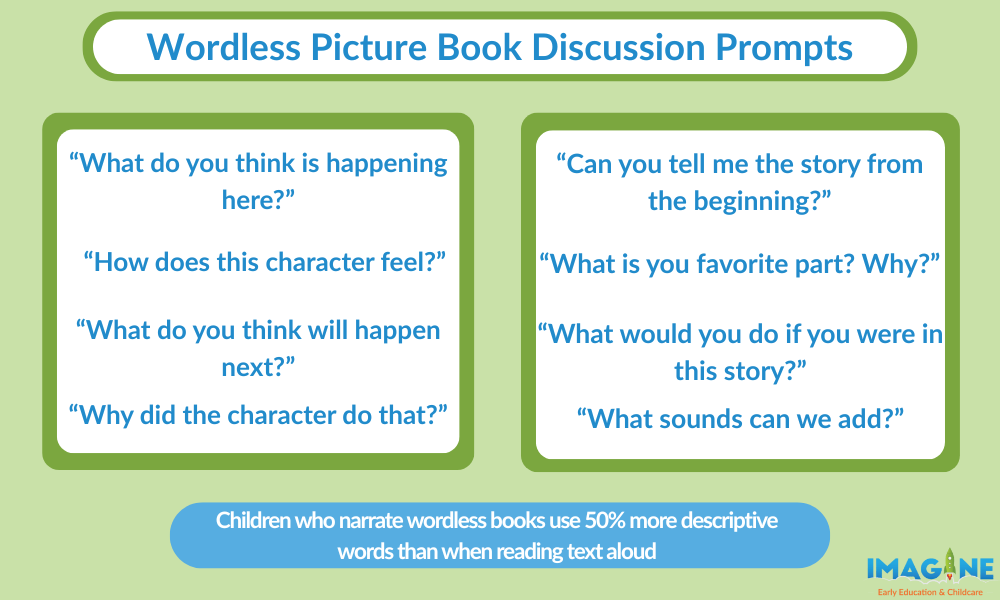
Books without text might seem counterintuitive for building reading skills. However, wordless picture books develop narrative comprehension and vocabulary as children describe what they see. Parents and children can “read” these books together, with the child telling the story in their own words.
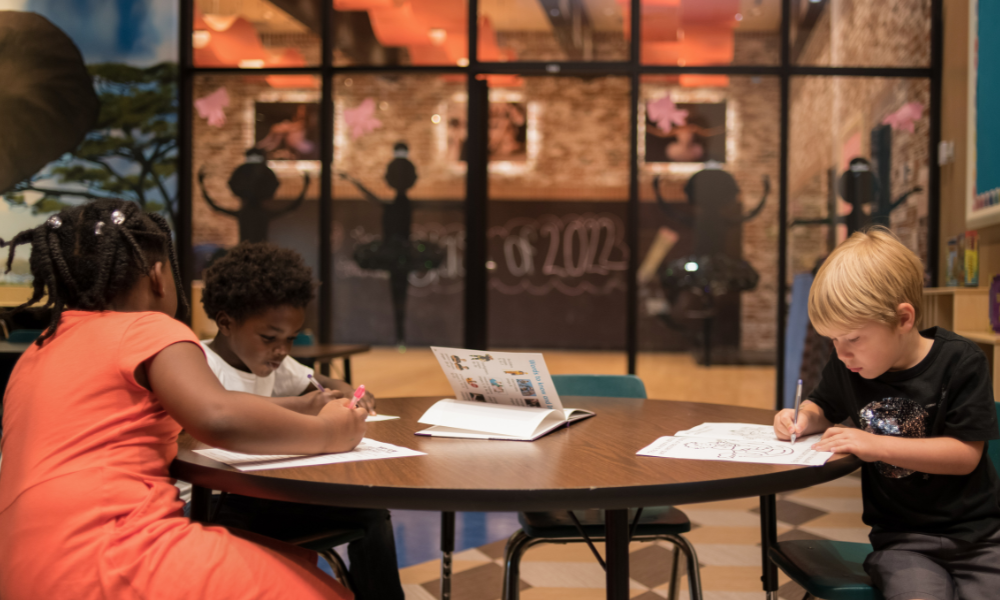
Imagine Early Education & Childcare: Supporting Your Child’s Reading Journey
At Imagine Early Education and Childcare, we understand that literacy development begins long before kindergarten. Our Imagine Child Curriculum integrates early literacy skills into every aspect of the day, from story time to science exploration.
We believe that a lifelong love of reading grows from positive early experiences. Our approach combines intentional instruction with play-based learning, giving children both the skills and the joy that make readers for life. Through our Kindertales app, families receive updates on literacy activities and suggestions for extending learning at home.
Ready to see how we nurture young readers? Schedule a tour to experience our learning environment firsthand and discover how we prepare children for kindergarten success and beyond.

