
STEM Activities for Preschoolers: Building Curiosity Through Play
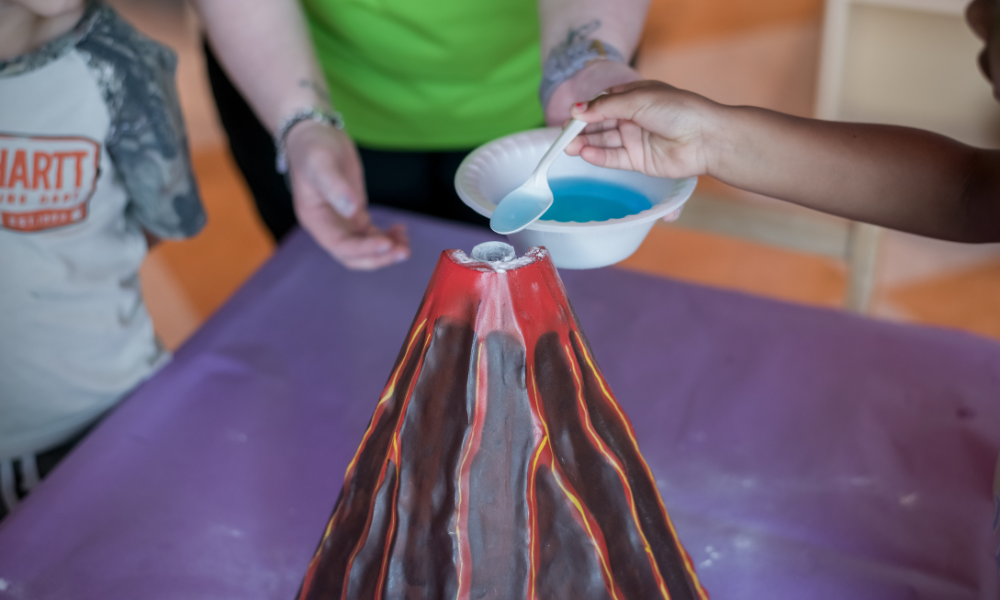
STEM activities for preschoolers are hands-on experiences in science, technology, engineering, and math that use simple household items to build curiosity and problem-solving skills. The best activities for young children turn everyday moments into playful learning opportunities.
Young children are natural scientists. They ask questions, test ideas, and explore the world through their senses every day. STEM activities for preschoolers channel this curiosity into playful learning that builds a strong foundation for future academic success. This guide walks through easy stem activity ideas you can try at home, explains why early exposure matters, and shows how to weave stem learning into your daily routine without fancy supplies.
Why STEM Matters in Early Childhood
The early years are when the brain forms connections at a remarkable pace. Preschool stem activities tap into this window by giving children chances to observe, predict, and test ideas. A child stacking building blocks is practicing engineering. A toddler sorting buttons by color is doing math. Pouring water between cups teaches volume and cause-and-effect.
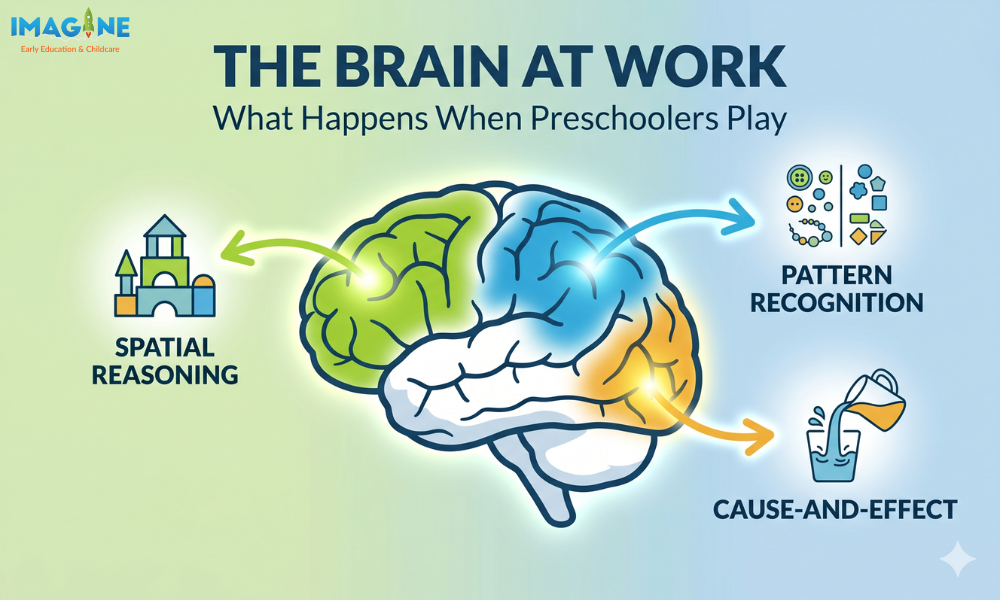
Benefits of Early STEM Exposure
Preschool stem offers more than academic preparation. It shapes how children think.
- Problem solving: Children learn to try, fail, and try again when a tower falls or a paper boat sinks.
- Critical thinking: Asking “why” and “what if” becomes second nature through hands-on exploration.
- Fine motor skills: Pinching, pouring, and building strengthen the small muscles needed for writing later.
- Curiosity and confidence: Early success with science and math activities gives kids the courage to tackle harder problems.
- Language growth: Little learners pick up words like “predict,” “measure,” and “observe” through real experiences.
Research from the National Association for the Education of Young Children shows that stem education in the early years predicts later achievement in reading and math.
Simple STEM Activities Using Household Items
You do not need a lab to start. Most preschool stem activities use things already sitting in your kitchen or recycling bin. Here are fun stem activity ideas grouped by subject.
Science Experiments
Science activities for young learners should be visual, quick, and safe. Try these:
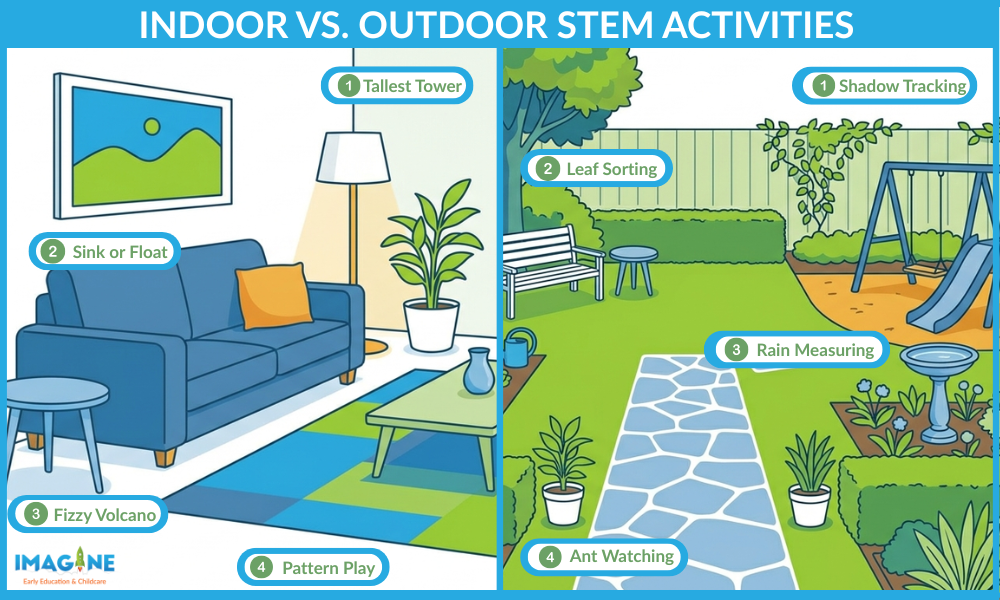
- Baking soda volcanoes: Mix baking soda and vinegar in a plastic cup to watch a fizzy chemical reaction release carbon dioxide bubbles.
- Sink or float: Gather a paper clip, cotton ball, plastic egg, and other household objects. Ask your preschooler to predict which will sink before dropping each one into a bowl of water.
- Water cycle in a bag: Draw a sun and cloud on a zip-top bag, add water, and tape it to a sunny window. Kids watch condensation form over a few hours, showing the water cycle in miniature.
- Paper towel rainbow: Dip paper towel strips between cups of colored water to watch the colors travel and mix.
Engineering and Building
Engineering activities teach little learners how to plan, test, and rebuild.
- Popsicle stick bridges: Challenge your child to build a bridge between two chairs that can hold a small toy.
- Tallest tower challenge: Use building blocks, plastic cups, or cardboard tubes to see how tall a structure can stand before it tips.
- Marble run: Tape paper towel rolls to a wall at angles to create a path for marbles or small balls.
Math Activities
Math shows up everywhere once you start looking.
- Sorting bins: Give your preschooler plastic eggs in different colors and ask them to group by color, size, or number.
- Counting snacks: Count crackers, grapes, or goldfish during snack time for a natural math activity.
- Pattern play: Use popsicle sticks, buttons, or beads to make repeating patterns like red-blue-red-blue.
Setting Up STEM Play for Daily Life
The right setup makes stem play easier and more inviting. You do not need a dedicated room or expensive kits. A small corner with a few bins works well.
What to Keep on Hand
Stock a simple stem bin with items you likely already own:
- Measuring tools: Cups, spoons, and a small scale introduce early math concepts.
- Building materials: Popsicle sticks, tape, pipe cleaners, and cardboard tubes cover most engineering projects.
- Science supplies: Baking soda, vinegar, food coloring, plastic cups, and droppers handle most science experiments.
- Sorting objects: Buttons, pom-poms, and plastic eggs work for math and sensory exploration.
Tips for Parents and Teachers
A few small shifts in how you talk and play make a big difference.
- Ask open questions: Instead of “Is it heavy?” try “What do you notice?”
- Let kids lead: Follow your child’s interest. If they love trucks, build ramps. If they love water, explore sink and float.
- Embrace mess: Set up near a sink or on a tray. Messy play is where real learning happens.
- Skip the right answer: Focus on the process of testing and observing rather than getting a specific result.
A Week of Quick STEM Moments
Some of the best stem ideas do not look like activities at all. They fit into moments you already have. Cooking is full of math and science. Bath time teaches volume and water behavior. Walks outside are a chance to count, sort, and spot patterns.
You don’t need flashcards to build math skills. Try weaving these quick activities into your regular routine, one per day:
- Monday: Count the steps from the car to the front door.
- Tuesday: Let your preschooler help measure ingredients for dinner.
- Wednesday: Sort toys by size before putting them away.
- Thursday: Point out shapes in the neighborhood during a walk.
- Friday: Test which bath toys float and which sink.
Imagine Early Education & Childcare: Your Partner in Preschool STEM Learning
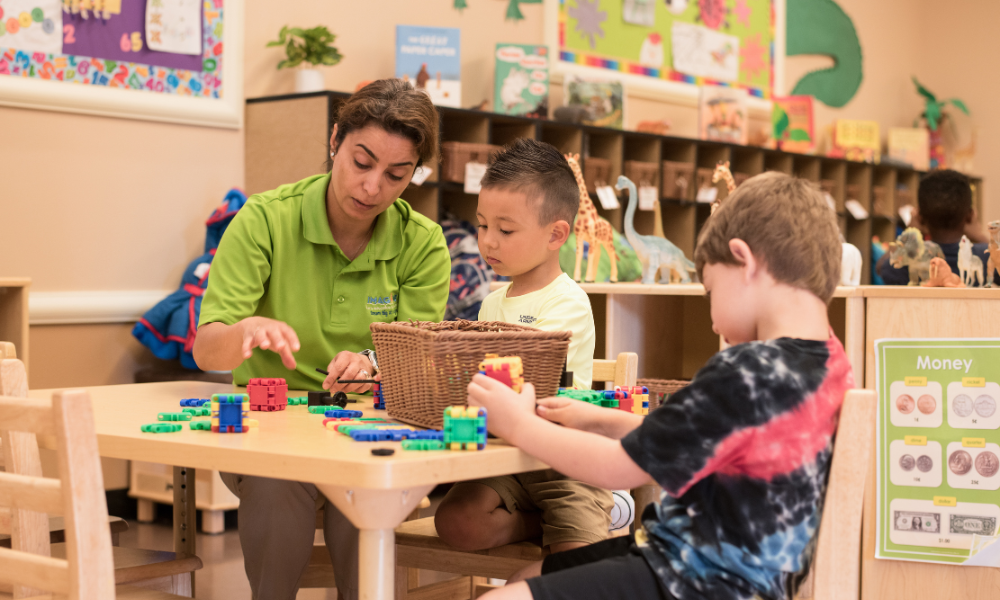
At Imagine Early Education & Childcare, our STEAM-inspired approach introduces young learners to science, technology, engineering, arts, and math through self-correcting materials and small groups. Children work at their own pace while our teachers guide their growth with tools that support fine motor skills, problem solving, and critical thinking. From sensory tables for the youngest children to engineering challenges for older preschoolers, our hands-on activities turn curiosity into confidence.
Ready to see stem play come to life? Schedule a tour of your nearest Imagine location to meet our teachers and experience our learning environments firsthand.
What age should preschoolers start STEM activities?
Children can begin simple stem activities as early as 18 months with sensory play, sorting, and basic building. By ages 3 to 5, preschoolers are ready for science experiments, engineering challenges, and math activities using household items. Early exposure during these years builds the strong foundation for later stem learning.
What are the easiest STEM activities for preschoolers at home?
The easiest preschool stem activities use household objects like baking soda, plastic cups, popsicle sticks, and paper towels. Sink or float tests, baking soda volcanoes, and tallest tower challenges require little prep and keep young children engaged. These fun stem activity ideas work for solo play or small groups.
How long should a STEM activity last for a preschooler?
Most preschoolers stay focused on a single stem activity for 10 to 20 minutes. Keep sessions short and let your child lead when interest fades. Several short activities across the day work better than one long session for this age group.
Do STEM activities really help preschoolers learn?
Yes. Hands-on stem activities build problem-solving skills, fine motor skills, and critical thinking during the early years when brain development is fastest. Early exposure to stem also strengthens language and math skills that support later school success.
What is the difference between STEM and STEAM for preschoolers?
STEM covers science, technology, engineering, and math. STEAM adds arts to the mix. For preschoolers, both approaches use hands-on activities to build curiosity, though STEAM includes creative projects like painting and music alongside science and math.


Leave a Reply
Want to join the discussion?Feel free to contribute!